
How Seasonal Affective Disorder Is Different from the “Winter Blues”
How Seasonal Affective Disorder Is Different from the “Winter Blues”
 February 16, 2026
|
February 16, 2026
|
.jpg)
Do the winter months ever leave you feeling off in ways that rest and routine don’t seem to fix? Maybe your patience wears thinner, or your energy doesn’t return like it usually does. Children often experience similar shifts, becoming less motivated, more easily frustrated, or more withdrawn than usual.
It’s easy to wonder if it’s just the weather or something more. Not every low moment needs intervention. However, when those shifts start to affect how your family functions or how you feel about each day, it’s worth paying attention.
In this article, we’ll help you understand what’s typical during the colder months, what might signal Seasonal Affective Disorder, and how to find support that actually helps.
Why Winter Affects Mood and Energy

Winter brings more than cold air and shorter days. It also brings changes to light exposure, daily activity, and emotional rhythms that affect people of all ages.
- Shorter daylight hours and limited sunlight can disrupt natural sleep cycles and mood regulation.
- Cold temperatures often reduce time spent outside, which decreases movement and social connection.
- After the holidays, structure may slip, leaving families feeling emotionally fatigued without the same sense of routine.
Feeling slower, less motivated, or more tired during winter is common. These responses are normal and temporary for many families, but not always.
What “Winter Blues” Typically Look Like
The winter blues usually come on gradually and lift when routines return or when daylight increases. The blues rarely interrupt daily life for long periods of time.
What you can expect:
- Mood changes tend to be mild and pass within a few days or weeks.
- Responsibilities at school, work, and home are still being managed.
- Energy often improves after social interaction, movement, or brighter weather.
Winter blues tend to fade on their own with time, routine, and small changes in habits. But more persistent or intense symptoms may suggest something different.
What Sets Seasonal Affective Disorder Apart
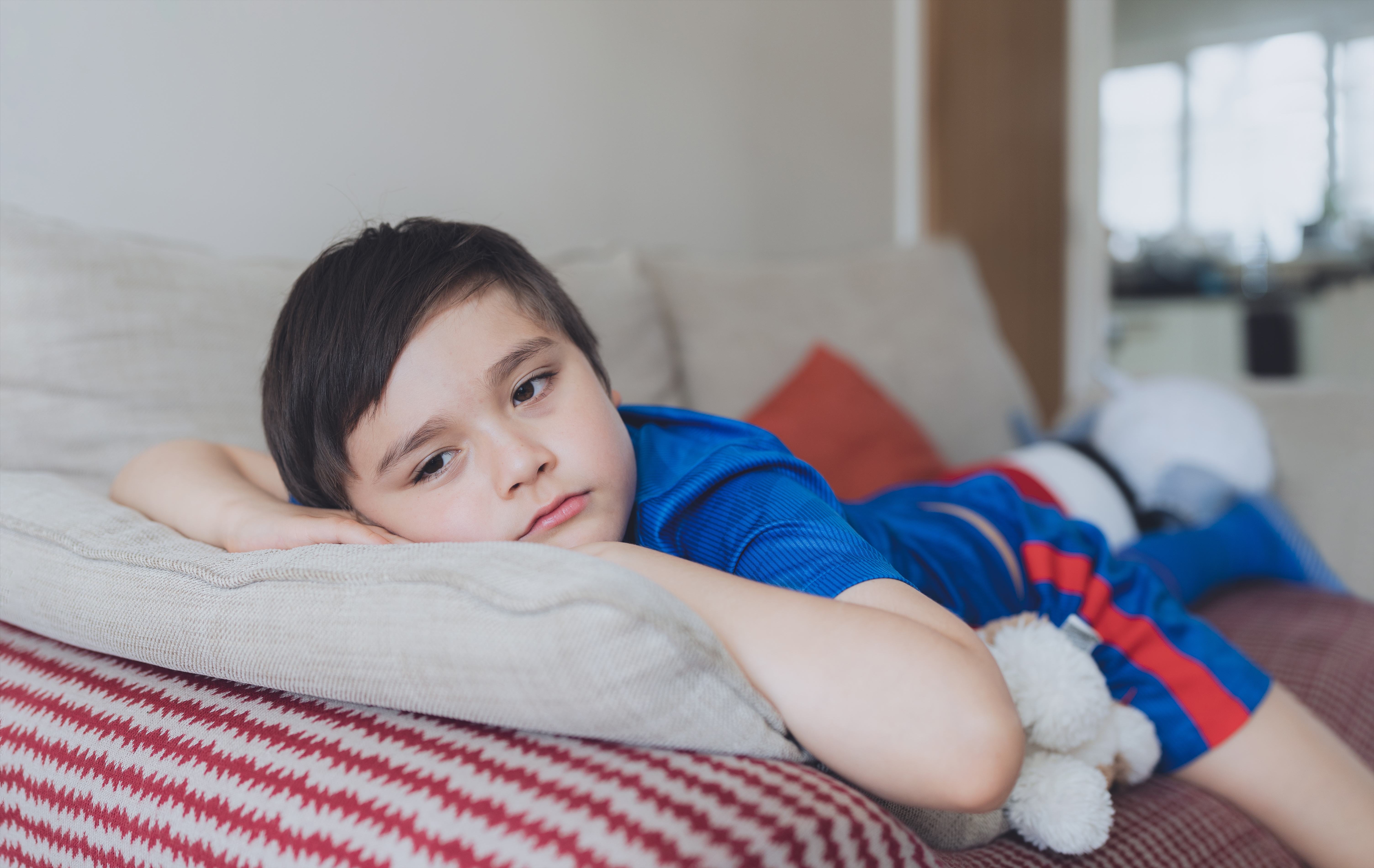
Seasonal Affective Disorder (SAD) is a type of depression linked to seasonal light changes and requires more than a shift in schedule to feel better.
- Symptoms last for weeks or months and persist throughout most of the winter season.
- Mood changes affect functioning, relationships, or day-to-day engagement.
- Families may notice ongoing sadness, emotional numbness, irritability, or withdrawal from activities.
SAD is real and treatable. Understanding the difference helps families recognize when additional support might be necessary.
How Seasonal Affective Disorder Impacts Family Life
When seasonal depression affects a child or adult, it often shows up in both emotional patterns and physical routines. These changes may seem subtle at first but grow more disruptive with time.
Emotional and Behavioral Changes Families May Notice
- Persistent sadness, irritability, or emotional numbness
- More frequent frustration, tearfulness, or conflict
- Pulling away from friends, family members, or activities
Physical and Routine Changes That Stand Out
- Sleeping more than usual or having trouble waking up
- Craving comfort foods or changes in appetite
- Difficulty focusing at school or staying on task at work
These symptoms can affect relationships, school performance, and general well-being. But with the right support, families can begin to feel more balanced and connected again.
Practical Ways Families Can Support Mental Health in Winter
Small shifts in daily habits can help ease seasonal mood changes, especially when made intentionally and consistently.
- Increase light exposure in the morning by opening curtains or using light therapy when appropriate.
- Bundle up and spend time outdoors, even in small doses like short walks or playtime.
- Keep routines steady with regular sleep, meals, and movement.
- Add structure through shared activities, creative time, or quiet breaks that create rhythm in the day.
These strategies don’t require perfection. They create space for families to feel more regulated, supported, and emotionally connected.
When Winter Mood Changes Become Hard to Manage
It’s not always easy to know when to seek help. But there are signs that suggest it’s time to reach out.
- If low mood, fatigue, or irritability lasts most days for multiple weeks
- If changes affect school, work, or family relationships
- If sadness or withdrawal begins to feel like the new normal
Therapy offers a space to build coping strategies, explore emotions, and reconnect in ways that feel safe and manageable.
At Child Focus, our individual and family therapy services support children, teens, and adults experiencing seasonal depression and anxiety.
Support Options Available Through Child Focus
Winter can feel long and heavy, especially when gray days start to stack up.
At Child Focus, we support children, adults, and families with compassionate mental health care that strengthens emotional resilience, encourages connection, and helps each person feel more supported throughout the season.
Whether you're looking for strategies to ease winter stress or help with persistent symptoms, we’re here to help. Contact us today!
For more tips, follow Child Focus on Facebook, X, Instagram, and LinkedIn today!
Has Child Focus made a difference in your life or the life of someone you care about? Leave Us A Quick Review Here!