
Indicators of Early Childhood Mental Health Struggles
- 2026
- October
- September
- August
- July
- June
- May
- April
- March
- February
- January
- 2025
- December
- November
- October
- September
- August
- July
- June
- May
- April
- March
- February
- January
- 2024
- December
- November
- October
- September
- August
- July
- June
- May
- April
- March
- February
- January
- 2023
- December
- November
- October
- September
- August
- July
- June
- May
- April
- March
- February
- January
- 2022
- December
- November
- October
- September
- August
- July
- June
- May
- April
- March
- February
- January
- 2021
- November
- September
- August
- July
- June
- May
- April
- March
- February
- January
- 2020
- December
- November
- October
- September
- May
- April
- March
- January
- 2019
- November
- October
- September
- July
- June
- May
- April
- March
- February
- January
- 2018
- December
- November
- September
- August
- June
- May
- April
- March
- February
- January
- 2017
- December
- November
- October
- September
- August
- July
- June
- May
- April
- March
- February
- January
- 2016
- December
- November
- September
- August
- July
- June
- May
- April
- March
- February
- January
- 2015
- December
- November
- October
- September
- August
- July
- June
- May
- April
- March
- February
- January
- 2014
- November
- October
- Academic success (1)
- Activities (1)
- After School Tips (1)
- ALONE TIME (1)
- Ask for help (1)
- ATTENTION (1)
- Back to school transition (3)
- Back-to-school anxiety (2)
- Behavioral health (2)
- Behavioral Issues (1)
- Behavioral Therapy (1)
- Benefits of Extra-curricular Programs (1)
- BILINGUAL (1)
- Body Image (1)
- Build creativity (1)
- Building a Routine (2)
- Building Independence (1)
- bullying (1)
- Burnout (2)
- Busy parents (1)
- Caregiver Support (1)
- Child Abuse (3)
- Child development (2)
- CHILD FOCUS (11)
- Child Focus (9)
- Child with anxiety (2)
- Child's mental health (6)
- Children's Emotional Health (1)
- Clubs and Sports for Children (2)
- Co-Parenting (1)
- COMMUNICATION (6)
- communication (1)
- Communication (5)
- constructive and destructive thoughts (1)
- conversations with your kids (2)
- Counseling (2)
- Create (1)
- crisis intervention (1)
- depression (1)
- Detention Center (1)
- Developmental milestones (1)
- Drugs (3)
- Early childhood development (1)
- Early Childhood Mental Health Therapist (1)
- Early development (1)
- Early Head Start (3)
- Early Learning Program (1)
- Emotional health (3)
- Emotions (6)
- Empowerment (1)
- EVENT RECAP (1)
- Families and communities (1)
- Family Bonding (1)
- FAMILY DYNAMICS (1)
- Family Resources (2)
- Family therapy (1)
- First day of school (3)
- First Sleepover (1)
- FOSTER CARE (1)
- Fostering emotional resilience (1)
- Free exploration (1)
- GIVING (4)
- GIVING, SPONSOR (1)
- GOALS (1)
- Gut and brain work together (1)
- Gut health (1)
- HEAD START (4)
- Healthy habits (1)
- High School (1)
- Holiday Breaks (2)
- Holiday season (2)
- Home learning space (1)
- HOME LIFE (2)
- How To (1)
- In-Person Therapy (1)
- Individual therapy (1)
- Job Openings (1)
- Keeping Kids Engaged (1)
- Managing Stress (3)
- MENTAL HEALTH (11)
- mental health (4)
- Mental Health (9)
- Mental health (1)
- Mental Health Awareness (1)
- Mental Health Conditions (1)
- Mental Health Professionals (1)
- Mental Health Services (1)
- mental illness (1)
- Mentors (1)
- Middle School (1)
- military (1)
- military families (1)
- Mind-Body Wellness (2)
- Mind-body Wellness (1)
- Model comfort (1)
- Mood (1)
- Motivational Interviewing (1)
- New Schools (1)
- Nutrition (1)
- Organization (1)
- Paraprofessional (1)
- Parent Education & Employment Program (2)
- Parent Enrichment Program (1)
- Parent Resources (3)
- Parent's guide (2)
- Parenting Tips (1)
- Parents (2)
- Physical Activity (2)
- Physical Activity in Summer (1)
- Positive Communication (1)
- Positive Relationships (1)
- POSITIVITY (6)
- Preparing for School (4)
- Preschool (1)
- Preschool Readiness (1)
- professional counseling (2)
- Psychiatrist (1)
- Psychologist (1)
- Psychology (1)
- PTSD (1)
- Quality Time (1)
- Rebellious Teens (1)
- Recovery (4)
- Relapse Prevention (1)
- Relationship Building (2)
- RELATIONSHIPS (3)
- Relationships (1)
- Resilience (1)
- Resilience is children (1)
- role model (1)
- Role of educators (1)
- RULES (1)
- Rumination (1)
- SCHOOL (2)
- School (3)
- School Staff (2)
- Seasonal Affective Disorder (1)
- Seasonal Depression (1)
- Self-Care (1)
- self-reflection (1)
- Separation Anxiety (1)
- Signs of anxiety (1)
- Single Parenting (1)
- SLEEP (2)
- Sleep Routines (1)
- Social Challenges (2)
- Social Media (1)
- Social Withdrawal (1)
- STAFF (4)
- Staying Active (1)
- STRESS (1)
- Stress Management (3)
- Substance Use (5)
- Success in Parenting (1)
- suicide prevention (1)
- SUMMER (2)
- Summer Break (3)
- Summer break (1)
- Summer Camp (1)
- Support (9)
- support (2)
- Support your child's emotional well-being (1)
- TANF (1)
- Teachers (1)
- teaching kids (1)
- Technology (1)
- Teen Behavior (2)
- Teenagers (2)
- Telehealth Therapy (1)
- therapeutic activities (2)
- THERAPY (9)
- therapy (3)
- Therapy (5)
- Time management (2)
- Time Management (1)
- Tips (2)
- TRAINING (2)
- training (2)
- Transition (1)
- TRAUMA (2)
- Trauma (2)
- Unique child's journey (1)
- Warning Signs (1)
- Well-being (2)
- YOUTH EMPLOYMENT (1)
- Youth mental health programs (1)
Indicators of Early Childhood Mental Health Struggles

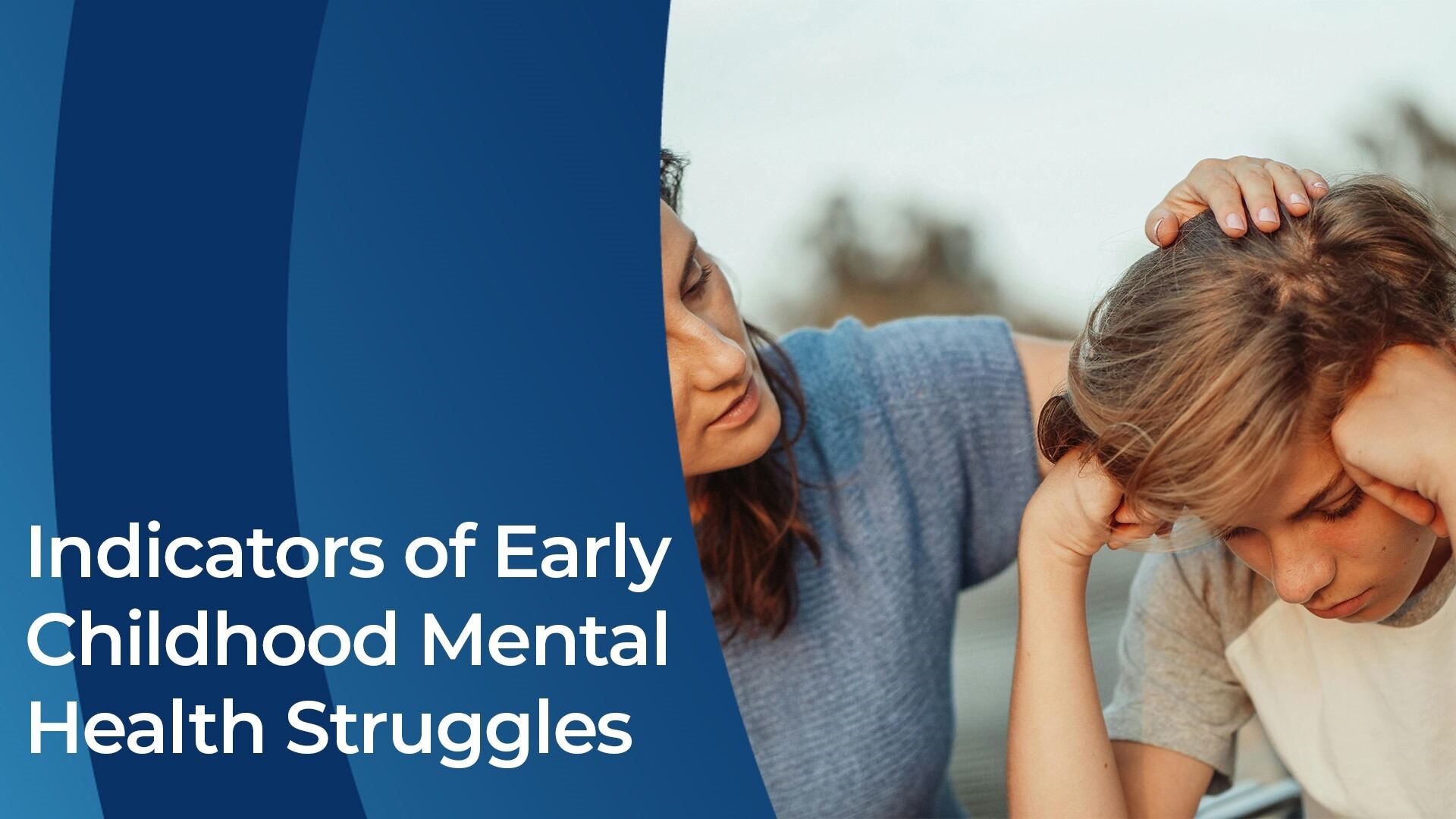
As a parent or caregiver, you know your child better than anyone else. You’re attuned to their emotions, habits, and the subtle changes that signal something isn’t quite right. But when it comes to mental health, it’s easy to wonder, Is this just a phase? Or should I be more concerned? Early childhood is full of emotional ups and downs, but sometimes, behavioral changes may point to deeper struggles that need attention.
In this blog, we will explore five key signs that could indicate your child may benefit from professional mental health support. Whether you’re seeing shifts in mood, social interactions, or development, understanding these early indicators can empower you to take proactive steps in supporting your child’s emotional well-being.
5 Signs Your Child May Need Mental Health Support
After noticing certain behavioral or emotional changes in your child, it’s important to know what to look for and when to consider seeking help.
Below, we’ve outlined and explained 5 indicators to keep an eye on. Being aware of these signs will give you a clearer sense of when to take action and how to support your child’s emotional well-being.
1. Social Withdrawal or Isolation
Children who suddenly withdraw from social interactions, avoid playing with peers, or seem uninterested in activities they once enjoyed may be showing signs of emotional distress.
While occasional quiet time is normal, consistent isolation or reluctance to engage socially can signal deeper concerns. These changes might reflect feelings of anxiety, sadness, or a sense of being overwhelmed.
It’s essential to observe if your child avoids previously loved activities or relationships, as this could point to feelings of loneliness or emotional confusion. Early intervention can help children reconnect with their peers and regain their sense of joy in social settings.
2. Changes in Sleep or Appetite
Significant changes in sleep or appetite are common indicators of mental health struggles in children. If your child is having trouble falling asleep, experiencing frequent nightmares, or waking up throughout the night, it could be a sign that they’re struggling with anxiety or stress.
Likewise, a sudden increase or decrease in appetite can suggest emotional distress, particularly if it's paired with mood changes or fatigue. These disruptions in routine can affect their ability to function during the day, leading to irritability, lack of focus, and difficulty in daily tasks.
Seeking professional advice can help identify the root causes and bring their body and mind back into balance.
3. History of Trauma
Children who have experienced trauma, such as abuse, neglect, or the loss of a loved one, are at a higher risk for emotional and behavioral struggles. Trauma can deeply affect a child’s ability to regulate emotions, cope with stress, and maintain healthy relationships.
Often, the impact of trauma might not be immediately visible but can manifest in changes in behavior, mood swings, or even physical symptoms like headaches or stomachaches. It’s crucial to recognize that trauma can influence how a child views the world and themselves, sometimes leading to anxiety, depression, or post-traumatic stress disorder (PTSD).
Early therapeutic interventions can provide the support your child needs to process their experiences in a safe and healthy way.
4. Severe Behavioral Outbursts
Frequent and severe outbursts of anger, frustration, or aggression, especially when they seem disproportionate to the situation, can be a warning sign of underlying mental health struggles. These outbursts may be a way for your child to express emotions they don’t know how to process or communicate. They might feel overwhelmed by stress, anxiety, or frustration, leading to explosive behavior. If these episodes are consistent and intense, it may be time to seek help. With professional guidance, your child can learn healthier coping mechanisms and develop the tools they need to manage their emotions more effectively.
5. Difficulty with Focus and Attention
If your child consistently struggles with attention, whether it’s concentrating on tasks, following directions, or staying engaged in age-appropriate activities, this could be an early sign of mental health concerns.
Difficulty focusing is often linked to anxiety, stress, or other emotional challenges. Your child may be preoccupied with worries, overwhelmed by emotions, or struggling with self-regulation, making it hard to focus on everyday tasks.
Addressing these challenges early can help your child manage their emotions, improve their focus, and regain confidence in their ability to learn and interact with the world around them.
Support Your Child’s Mental Health with Child Focus
Supporting your child’s mental health is one of the most important things you can do as a parent or caregiver. By staying attuned to the signs of emotional or behavioral struggles, you can help them get the support they need to thrive.
Early intervention can make a significant difference in how your child navigates challenges and builds resilience.
Child Focus provides specialized resources and professional guidance to help your child receive the care and support they need. With our expertise, you can ensure your child develops the emotional tools for a healthier, happier future.
Learn more about our mental health programs here!
For more tips, follow Child Focus on Facebook, X, Instagram, and LinkedIn today!
Has Child Focus made a difference in your life or the life of someone you care about? Leave Us A Quick Review Here!